Bad smell in your hot water or water heater? Causes and how to fix it
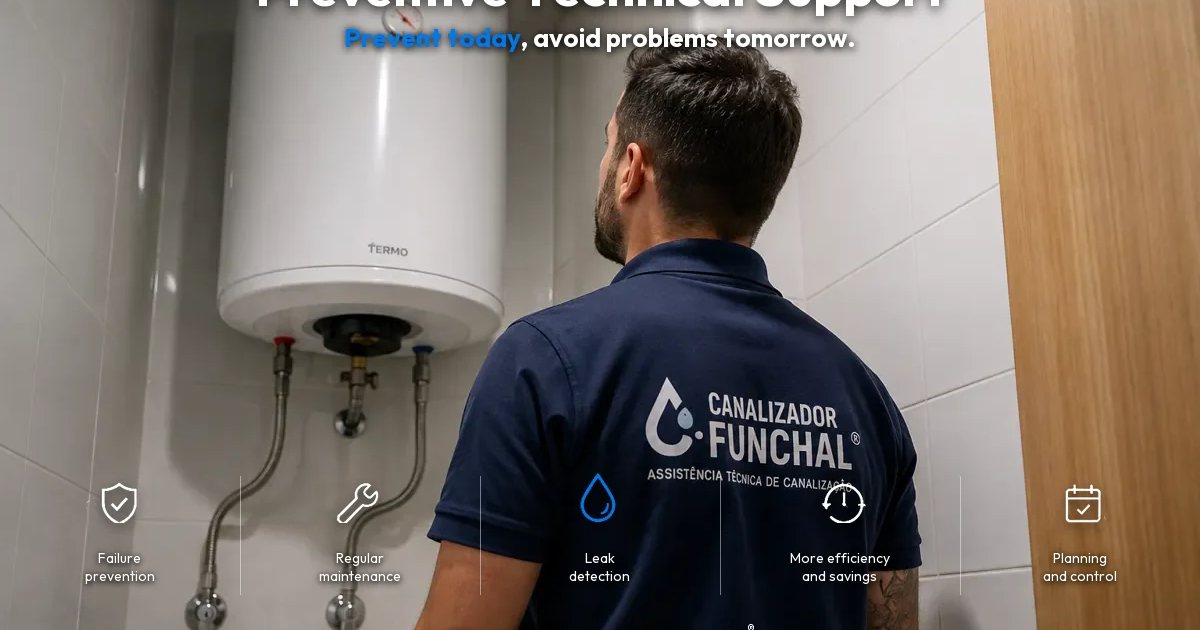
Turning on the hot tap in a home in Funchal, Caniço, Santa Cruz, Machico, Câmara de Lobos, Ribeira Brava or anywhere on Madeira Island and being met with a strong sulphur or "rotten egg" odour is deeply unpleasant. Although the reaction often happens inside the water heater or heat pump, the equipment itself is not always to blame. Causes such as water stagnation in holiday homes, sulphate-reducing bacteria, the reaction with the anode or even the quality of the water at source (boreholes and wells) play a decisive role. Before making any decision, it is essential to run the isolation test. In most cases the smell can be permanently solved with technical maintenance, thermal shock, appropriate treatment or replacing the anode with the correct type.
The many origins of the smell: chemistry, biology and stagnation
1) Sulphate-reducing bacteria and stagnant water: the inside of an idle water heater (especially in holiday homes or short-term rentals) is the perfect ecosystem for anaerobic microorganisms. These bacteria feed on the sulphates naturally present in water and, as they digest them, release hydrogen sulphide gas (H2S), responsible for the sulphur odour. 2) The magnesium anode reaction: the sacrificial magnesium anode protects the tank against corrosion, but as it wears down it releases free hydrogen. If the water contains sulphates and bacteria, that hydrogen acts as an accelerant fuelling the odour. 3) Water quality at the source: if the property is fed by a borehole, well or private supply, hydrogen sulphide or iron may already be dissolved in the cold water — heating simply releases the accumulated gas more intensely. 4) The danger of "Eco" mode (40 °C to 50 °C): setting the temperature too low to save electricity creates an incubator. Bacteria multiply rapidly between 20 °C and 50 °C and are only eliminated above 60 °C.
Safe practical action: the foolproof cold water test
The cold water vs. hot water test: first run the cold tap for 1 minute and smell it. If it is odourless, close it and run only the hot water. If the "rotten egg" smell comes out immediately, it is 100% proven that the mains water is perfect and the problem lies exclusively in the heating system/tank. Step 1 — Thermal shock (disinfection by temperature): set the water heater thermostat to maximum (75 °C – 80 °C) and hold it for 6 to 8 hours (ideally 12 to 24 hours). Then flush the hot taps throughout the house for a few minutes to disinfect the pipework. Important: never disable or tamper with the safety valve to try to "fix" the odour — it is vital to prevent overpressure accidents.
Specialised technical intervention
Step 2 — Sanitisation and chemical chlorination: draining the appliance and applying a suitable disinfectant solution to remove the biofilm clinging to the tank walls. Step 3 — Strategic anode replacement: Option A, the aluminium-zinc anode, reacts substantially less with sulphates; Option B, the titanium (powered impressed-current) anode, is the definitive solution for regular users — it is not consumed, produces no free hydrogen (removing the reaction with bacteria) and lasts the entire service life of the appliance.
Top 5 mistakes that make it worse
1) Keeping the temperature permanently at 40 °C–50 °C: it favours bacterial growth. 2) Removing the anode without fitting a replacement: the smell disappears temporarily, but the steel tank perforates through corrosion within months. 3) Leaving water stagnant without renewal: no flushing or thermal shock before reusing a seasonal property. 4) Fitting unsuitable shower filters: trying to filter hydrogen sulphide at the tap outlet under high pressure is ineffective. 5) Ignoring Madeira's sea air and humidity: using low-quality fittings and pipework prone to degradation and galvanic reactions.
Prevention and our technicians' recommendations
1) The 60 °C rule: keep the thermostat set to at least 60 °C to prevent microbiological growth. 2) Anti-legionella cycle: activate this automated function if your appliance has it. 3) Preventive maintenance every 1–2 years: inspecting anode wear, removing sediment from the bottom of the tank and checking the safety valve. 4) Recommended materials: in Madeira's coastal areas (Funchal, Caniço, Santa Cruz, Machico) we favour low-zinc brass fittings, stainless steel and multilayer or PEX pipework with press fittings.
FAQ
How do I confirm whether the problem is the water heater or the mains water?
Run the "Cold Water Test": open the cold tap and check whether it smells. If the cold water is odourless and only the hot water smells of "rotten eggs", the mains water is fine and the cause is the internal reaction inside the water heater.
What if the cold water ALSO smells bad?
If the cold water smells too, the problem is not the water heater but the supply source (borehole, well or contamination in the main pipework). In that case cleaning the tank will not solve it — you need a laboratory water analysis and a filtration, aeration column or dosing system at the property inlet.
Is the water heater always to blame for the smell?
No. Although the reaction often occurs inside the tank because of the magnesium anode and stagnant water, the cause can also be the quality of the source water (boreholes/wells) or contamination in the main network.
Is the rotten egg smell (H2S) in bathing water dangerous?
At usual mains concentrations it is not fatal, but continuously inhaling the vapours in a closed shower can cause headaches, nausea and eye irritation. The gas also tarnishes and damages bathroom taps and metals.
The water smells of plastic or chemicals — what does that mean?
It is not a bacterial cause. It comes from degradation of low-quality plastic pipework, unsuitable sealing gaskets or excess disinfectant in the network. A central activated carbon filter solves this problem.
Is it worth switching to a titanium (powered) anode?
Yes, without doubt. The titanium anode is not consumed, produces none of the hydrogen that feeds the odour and definitively removes the anode-related cause of the smell, making it ideal for owner-occupied homes and short-term rentals.
Will a shower head filter solve the problem?
No. Small shower filters cannot retain hydrogen sulphide released at high temperature and pressure. Treatment must happen at source (in the tank or at the property inlet).
Do you provide a quote before removing the smell from the water?
Yes. We explain the diagnosis, present the technical options and give the final price before any intervention. Just send photos of the appliance via WhatsApp.
How long does the on-site service take?
Most cleaning, sanitisation and anode replacement jobs are completed in a single visit of 1 to 3 hours in Funchal and across Madeira Island.
Need help now? Fast response on WhatsApp.
We service water heaters, replace anodes and disinfect tanks in Funchal, Câmara de Lobos, Caniço, Santa Cruz, Machico, Ribeira Brava and across Madeira island.