Flushing and Disinfecting Plumbing: What to Do in Closed Homes and Holiday Rentals
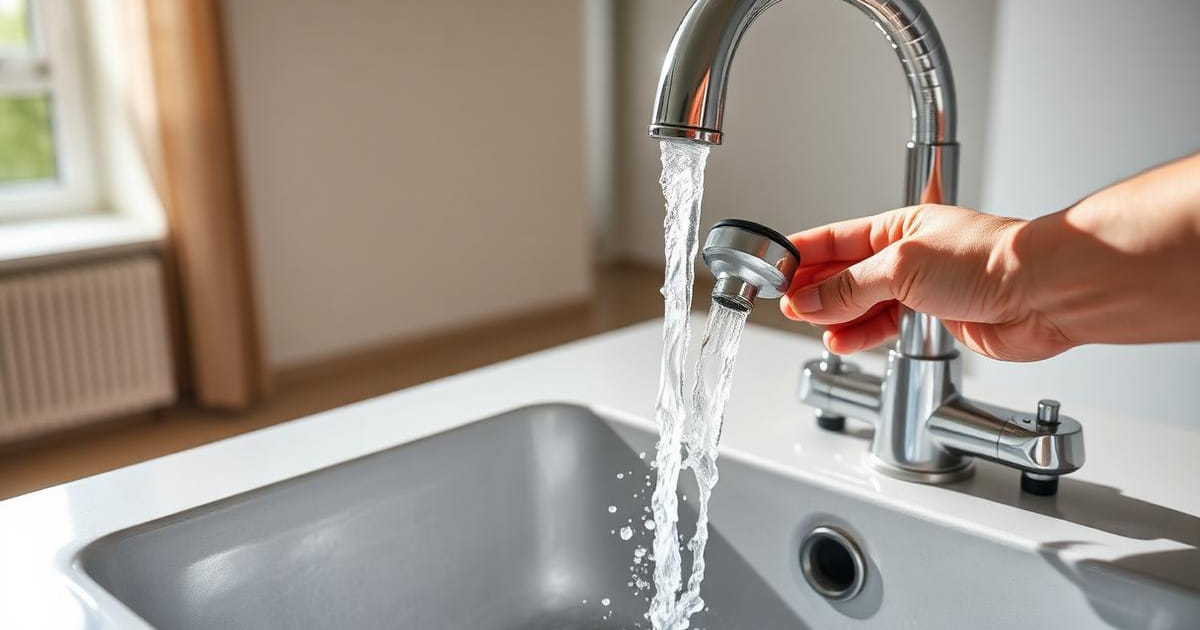
A home closed for weeks or months accumulates a silent problem: standing water inside the pipework. With no consumption there is no renewal, residual disinfectant dissipates, deposits form and biofilm grows on the internal pipe walls. In Madeira holiday rentals, between seasons or between long bookings, this is routine. At the same time traps dry out and the property starts to smell of drains. The good news is that a simple, effective reopening protocol exists. The bad news is that almost nobody follows it.
🦠 What Happens to Standing Water in Pipework
1) With no use, water inside the pipes stagnates and progressively loses the residual disinfectant that protects it. 2) In Madeira's mild temperatures that loss is faster than in cold climates. 3) Biofilm, a biological layer clinging to internal pipe walls, develops and releases particles once flow resumes. 4) Dead legs and abandoned pipe sections are the worst points: they never renew their water under any circumstances. 5) The water heater is the most sensitive point, especially if its temperature was lowered to save energy during the absence. 6) The first sign on reopening is discoloured water, a metallic taste or a stale odour. 7) The right response is not simply opening everything at once: it is a flushing protocol in a defined sequence.
🚿 Gradual Flushing Protocol
1) Start by confirming the main stopcock is fully open and there are no visible signs of a leak. 2) Open the tap nearest the incoming supply first, cold water only, at a moderate flow. 3) Moderate flow is deliberate: opening fully drives sediment into filters and aerators instead of expelling it. 4) Work point by point to the furthest outlet, keeping each tap open until the water runs clear, cool and odour-free. 5) Flush the WCs two or three times and run water in the bath and shower. 6) Only then move to hot water, allowing the full cylinder volume to be renewed. 7) A complete flush in a typical home takes ten to twenty minutes of work and prevents guest complaints.
💨 Air Pockets and Water Hammer
1) If the system was drained or isolated, air enters and lodges at the high points of the installation. 2) Symptoms are a spitting jet, blowing noise at the tap and water hammer on closing. 3) Purge by opening the highest outlets at reduced flow and holding until the jet is continuous and quiet. 4) Reopening the main valve abruptly compresses that air and causes hammer that damages seals, flexible hoses and appliance valves. 5) Always open the main valve slowly, over several seconds, never in one movement. 6) Air trapped in the water heater causes uneven heating and noise: purge before switching the element on. 7) Test washing machines only once the system has stabilised, to avoid damaging their inlet solenoid valves.
🧼 Descaling Aerators and Filters
1) Aerators, shower heads and appliance inlet filters catch all the sediment that flushing carries along. 2) Remove each aerator, take out the filter screen and clean it mechanically before using any product. 3) For limescale, soaking in a suitable descaler or white vinegar for a few hours resolves most cases. 4) Never use sharp metal tools on filter screens: they tear the mesh, which then lets particles through. 5) Check the inlet filter on the washing machine and dishwasher: when blocked it causes fill errors wrongly blamed on the appliance. 6) Hand showers with blocked holes benefit from soaking and gentle brushing, without forcing them apart. 7) This is the task that most improves the guest's perception of water quality.
🚽 Restoring Trap Seals
1) The trap seal is the water held in the trap that stops sewer gases entering the property. 2) During a long absence, especially in warm weather, that water evaporates and the trap stops sealing. 3) The result is a drain smell in bathrooms, kitchen and utility areas, with no blockage involved at all. 4) The fix is simple: run water through every gully, basin, shower, bath and floor trap. 5) Rarely used floor gullies dry out first and are the ones most often forgotten. 6) For long absences, a small amount of mineral or vegetable oil on the trap water greatly slows evaporation. 7) If the odour persists after refilling, the issue is venting or a damaged trap and needs a technical inspection.
✅ Routine for Holiday Rentals and Second Homes
1) Make a complete flush a mandatory item on the preparation checklist before every check-in after a long vacancy. 2) In empty properties, schedule a monthly visit purely to run water at every outlet for a few minutes. 3) For absences over a month, consider closing the main valve and draining down, reducing the risk of an undetected leak. 4) Do not leave the water heater at a reduced temperature for long periods: prefer switching it off, then heating fully before use. 5) Descale aerators and shower heads at the start of each season as planned maintenance. 6) Document the work: in holiday rentals, records demonstrate owner diligence. 7) If water still runs discoloured or smells after a full flush, stop and request a technical assessment. Want a reopening protocol carried out at your property? Message us on WhatsApp.
FAQ
How long should I run the water in a home closed for months?
At each outlet, until the water runs clear, cool and odour-free, typically a few minutes per tap. In a typical home the full process, including hot water and WCs, takes ten to twenty minutes.
Is water that has been standing dangerous?
It loses residual disinfectant and encourages biofilm and sediment, so it should not be consumed before flushing. Once the cold and hot systems are fully renewed, the situation normalises in the vast majority of cases.
Why does the house smell of drains after being closed?
Because the water in the traps evaporated and the seal was lost. Running water through every gully, including floor gullies, usually clears the smell within minutes.
Should I turn the water off when I go on holiday?
For absences over one or two weeks, yes. Closing the main valve removes the risk of a leak running for days with nobody home, which is by far the most expensive scenario.
Reopening a closed-up property? Message us on WhatsApp.
We work in Funchal, Câmara de Lobos, Caniço, Santa Cruz, Machico, Ribeira Brava, Ponta do Sol, Calheta, Santana, São Vicente and across Madeira Island.