Domestic Potable Water Reserve Tanks: Sanitising, Alternating Float Valves and Sludge Removal
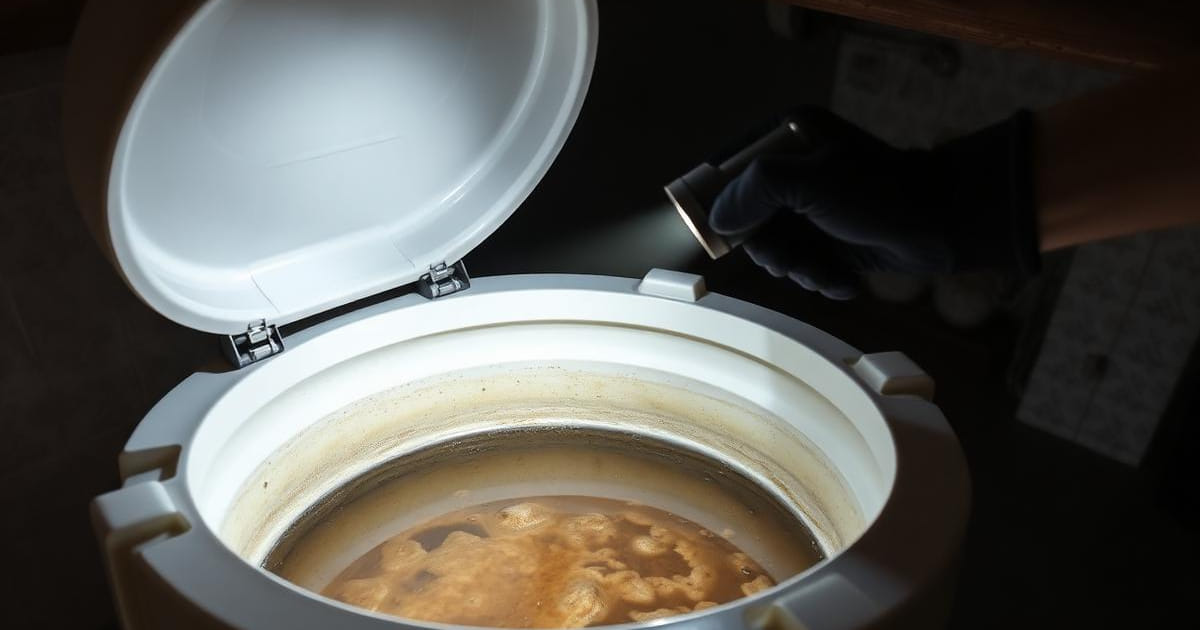
Many Madeira villas keep a reserve tank in the attic, garage or on the roof to guarantee water during supply cuts. It is an excellent solution — but only while it is maintained. Without periodic cleaning, the bottom of the tank collects sludge, grit and biofilm, the float valve stops closing properly and the water leaving the tap no longer matches the quality that went in. This guide explains what happens inside the tank, how a serious technical sanitising job is done and which parts should be replaced.
🚰 Why a Reserve Tank Exists
1) It guarantees autonomy during mains cuts, very common in high-lying areas and during main works. 2) It stabilises pressure in villas with weak supply, feeding a booster set. 3) It stores better-quality water in homes with intermittent supply. 4) It works as a break tank on long branches with steep level differences. 5) In short-term rentals it prevents service interruptions with guests in the house. 6) It only delivers all this if the interior is clean, covered and correctly vented.
🦠 Sludge, Biofilm and Sediment: What Builds Up
1) Grit and fine mains particles settle at the bottom by gravity, forming a mud layer. 2) Biofilm is a slimy bacterial film that grows on internal walls and along the water line. 3) Water standing for days loses residual chlorine, accelerating microbiological growth. 4) Poorly closed lids let in dust, insects and even leaves and small animals. 5) Sunlight on translucent tanks encourages green algae. 6) Every tap opening stirs the bottom and drags particles into the internal network.
🧪 Technical Sanitising Step by Step
1) Close the inlet and empty the tank through the bottom purge, never through the household network. 2) Remove sludge manually by vacuum and cloth, without pushing sediment towards the outlet. 3) Brush walls, base and lid with a soft brush — never steel wool on plastic tanks. 4) Apply a sanitiser certified for potable water, respecting the maker's dose and contact time. 5) Rinse until any odour disappears and discharge that water to the drain. 6) Refill, purge taps and, in sensitive cases, confirm quality with a laboratory analysis.
🔧 Diaphragm Float Valves and Alternating Fill
1) A fast-closing diaphragm float valve avoids the constant dripping of worn piston valves. 2) A valve that closes badly causes overflows, waste and damp in the attic or garage. 3) Fitting the inlet above maximum water level eliminates any backflow risk to the mains. 4) In twin tanks, alternating fill prevents one of them sitting for months with stagnant water. 5) Isolation valves on each tank allow cleaning one without losing supply. 6) A level or overflow sensor warns you before damage occurs.
🕳️ Bottom Purge, Venting and Correct Fittings
1) A bottom purge is essential: without it sludge cannot be removed without draining through the house. 2) The consumption outlet should sit 5 to 10 cm above the base, never level with sediment. 3) The overflow must be larger in section than the inlet and discharge to a visible point. 4) Venting needs insect mesh and protection against rainwater ingress. 5) A particle filter on the inlet greatly reduces sludge formation at the bottom. 6) An opaque, gasketed and clamped lid keeps light and contamination out.
📅 Maintenance Frequency and Warning Signs
1) Sanitising is recommended once a year; every 6 months in rentals and large households. 2) Clear signs: cloudy water on opening the tap, earthy taste, particles in the aerator filter. 3) Tap and shower filters clogging quickly indicate sediment in circulation. 4) A musty smell in the tank room usually means intermittent overflow. 5) After any works on the public mains, purging the tank bottom is a wise move. 6) Want technical sanitising for your tank in Madeira? Message us on WhatsApp.
FAQ
How often should I clean the water tank?
Once a year in normal family use. In short-term rentals, busy villas or sun-exposed tanks, we recommend every 6 months.
Can I use household bleach to disinfect it?
It is not the correct solution. Use a sanitiser certified for potable water, with controlled dose and contact time, followed by a full rinse.
Is tank water drinkable?
If the incoming water is from the public mains and the tank is clean, covered and vented, yes. A dirty or open tank degrades water quality quickly.
Is a filter before the tank worth it?
Yes. A washable particle filter on the inlet retains grit and sediment, drastically reducing sludge at the bottom and extending cleaning intervals.
Sludge in the tank or a leaking float valve? Message us on WhatsApp.
We work in Funchal, Câmara de Lobos, Caniço, Santa Cruz, Machico, Ribeira Brava, Ponta do Sol, Calheta, Santana, São Vicente and across the whole island of Madeira.