Clogged Toilet in Funchal: What to Do Before Calling a Plumber
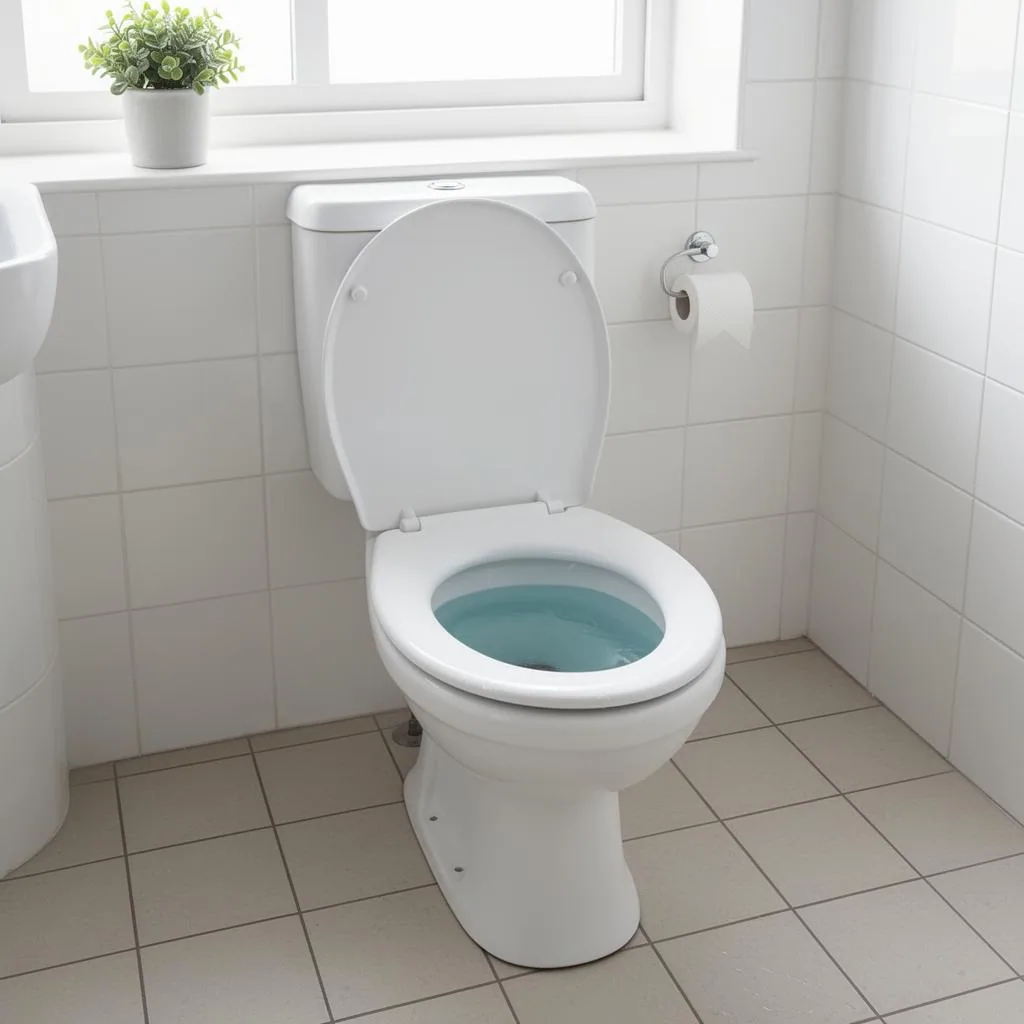
A clogged toilet is one of the most common — and most annoying — plumbing issues at home. Whether caused by too much toilet paper, foreign objects or pipe problems, knowing how to act in the first few minutes can prevent further damage and save you money.
🔎 Symptoms & Initial Diagnosis
Before spending money, run this two-minute diagnosis: 1) Water rises and drains slowly: partial blockage inside the toilet's own trap — usually fixable with a plunger. 2) Water rises to the rim and does not go down: total blockage, normally wet wipes, cloths or a stuck object. 3) Other drains in the house gurgle or release bad smells when you flush: the problem is no longer the toilet, but the floor gully or the building's soil stack. 4) Water appears in the shower drain or in the floor gully: a clear sign of a blocked stack, which needs immediate professional intervention. 5) Neighbours in the same building with the same symptom: this confirms a shared stack blockage — never insist with chemical products in that case.
🧪 Main Causes in the Madeira Context
1) Wet wipes and cloths: they do not break down in water and form a tangle that traps everything else. They are today the number one cause of emergency unblocking jobs in Funchal. 2) Too much toilet paper: especially in older buildings in Funchal and Câmara de Lobos with narrow stoneware or fibre-cement pipes. 3) Incorrect pipe fall: pipes with too little slope — or reverse fall caused by ground settlement — make solids stop halfway. 4) Roots and sand: in houses in Caniço, Santa Cruz and Machico, roots and sand often enter through the outside inspection chambers. 5) Kitchen grease in the same stack: grease cools, hardens and reduces the usable diameter of the pipe that also carries the toilet waste. 6) Limescale and scaling: less common with Madeira's soft water, but frequent in homes supplied by private boreholes in Santana, São Vicente or Porto Moniz.
🛠️ Ideal Step-by-Step for Safe Unblocking
1) Close the toilet's isolating valve and do NOT flush again — this prevents overflow and floor contamination. 2) Remove excess water with a jug or bucket, leaving the bowl about half full: the plunger needs water to build vacuum but must not overflow. 3) Protect the floor with old towels and wear gloves. 4) Use a flange plunger, seat it fully into the bowl outlet and make 15 to 20 firm vertical strokes without lifting the plunger between pushes. 5) If that fails, add around 5 litres of warm water (never boiling, to avoid cracking the porcelain) with a little dish soap and wait 20 to 30 minutes: the soap lubricates the blockage. 6) Repeat the plunging with the same firm rhythm. 7) If it is still blocked, check the bathroom floor gully and the outside inspection chambers: if they are full, the problem is downstream and not in the toilet. 8) In that case, or if waste backs up into other drains, call a plumber with an electric drain auger and inspection camera.
🚫 What to AVOID
1) Corrosive chemical drain cleaners (acid or caustic soda): in PVC pipework they soften joints and seals; in old stoneware pipes they attack the cement joints and can cause leaks inside walls and slabs. 2) Pouring chemicals into a bowl full of standing water: the product stays trapped, never reaches the blockage and creates a real chemical hazard for whoever opens the pipe later. 3) Flushing repeatedly hoping it will clear — the main cause of household flooding. 4) Wires, coat hangers or metal rods: they scratch and crack the porcelain and can puncture old pipes. 5) Boiling water: thermal shock cracks ceramics and deforms rubber seals. 6) Insisting on DIY fixes when the blockage is in the building's stack.
🧰 Preventive Maintenance
1) Put a closed bin in the bathroom and apply one simple rule: toilet paper only down the toilet. 2) In holiday rentals, display that rule in English too — it prevents most emergencies in Funchal and Santa Cruz. 3) Once a month, pour a 10-litre bucket of warm water into the bowl in one go: volume and speed flush sediment along the pipe. 4) Clean floor gullies and outside inspection chambers twice a year. 5) In apartment blocks, ask the management company for preventive stack cleaning every 2 to 3 years. 6) If blockages keep coming back, request a camera inspection: it usually reveals reverse fall, a misaligned joint or roots.
FAQ
Can I use chemical drain cleaner in the toilet?
We do not recommend it. Acidic or caustic soda products attack PVC seals and the cement joints of old stoneware pipes, very common in Funchal buildings, and can create leaks inside walls. With standing water in the bowl the chemical never even reaches the blockage. Use a plunger, warm water with dish soap or a mechanical auger instead.
How do I know if the problem is the toilet or the building's stack?
If only the toilet holds water, the issue is local. If other drains gurgle, rise or release smells when you flush, or if water appears in the floor gully, the blockage is in the floor trap or the building's soil stack and requires professional equipment.
How long do you take to arrive in an emergency?
In Funchal we typically arrive within 30 to 60 minutes; in the other municipalities of Madeira between 45 and 90 minutes. These are good-faith estimates and may vary with traffic, roadworks and the time of day.
Need help now? Fast response on WhatsApp.
We provide plumbing assistance in Funchal, Câmara de Lobos, Caniço, Machico and across the island of Madeira.