Clogged Kitchen Sink in Madeira: Common Causes and How to Fix It
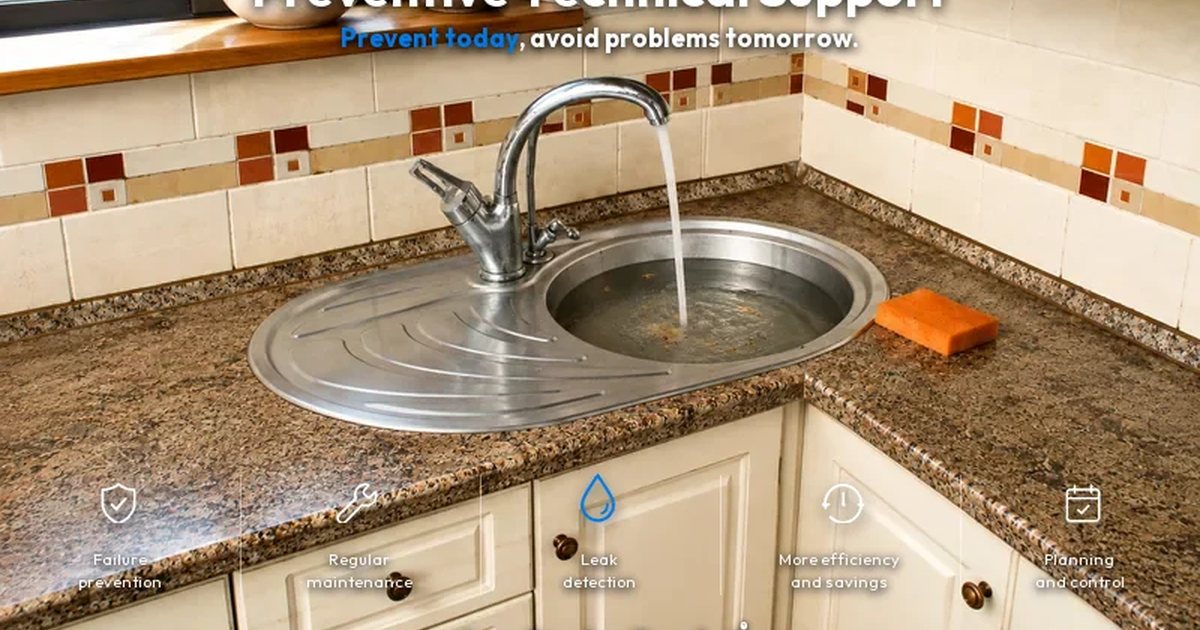
A clogged kitchen sink is a frequent problem that disrupts daily life. In Madeira, where tap water is soft (with no limescale), the real culprits are grease, food scraps and the build-up of detergents over time. Learn how to prevent and fix it before you need professional assistance.
🔎 Symptoms & Initial Diagnosis
1) Water drains slowly with a gurgling noise: a grease layer is already reducing the pipe diameter. 2) One bowl holds water while the other drains: the blockage is past the T-connection between bowls. 3) Both bowls stop at once: the blockage is in the bottle trap or the horizontal pipe under the worktop. 4) The dishwasher or washing machine pushes water back into the sink: the blockage is downstream, in the floor junction box. 5) A rancid grease smell even with a clean sink: decomposing organic matter stuck to the pipe walls. 6) Simple test: fill the bowl with hot water and time it; if it takes more than 15 to 20 seconds to empty, there is already a partial blockage.
🧪 Main Causes in the Madeira Context
1) Grease: it runs down as a liquid, cools and solidifies on the pipe walls, building up in layers. It is enemy number one in kitchens in Funchal and Câmara de Lobos. 2) Rinsing with cold water: passing greasy plates under cold water makes the grease stick to the pipework immediately. 3) Food scraps, peelings, coffee grounds, rice and pasta: they swell and cling to the existing grease. 4) Old pipework with insufficient fall: in older Funchal buildings the 40 mm pipe has little slope and residue stops halfway. 5) Floor junction box: when it connects sink, dishwasher, washing machine and laundry tub, the trapped outlet bend collects grease precisely because it sits at the low point. 6) Detergents and soap: they form viscous deposits that bind the grease. 7) Limescale: rare with Madeira's soft water, but present in homes on private boreholes in Santana, São Vicente or Porto Moniz.
🛠️ Ideal Step-by-Step Fix
1) Remove the standing water with a jug or bucket so you can work safely. 2) Full-bowl method: plug the waste, fill the bowl to the top with very hot water (not boiling, to avoid deforming PVC) and release it all at once — weight and volume fill 100% of the pipe diameter and sweep the grease away. With a double sink, do one bowl at a time. 3) If that fails, use a plunger with the other bowl plugged, to concentrate all the pressure in a single branch. 4) Cleaning the bottle trap: put a bucket underneath, wear gloves and unscrew the trap cup by hand (never with toothed pliers, which crack the plastic). 5) Remove all the grease and residue, wash the cup with hot water and detergent and brush the outlet pipe with a bottle brush. 6) Check the rubber seal and retighten by hand only. 7) If the trap was clean, the blockage is further along: use a hand auger (6 to 8 mm coil) from the outlet pipe with gentle rotating movements. 8) Test with plenty of hot water for a minute and check the joints for leaks. 9) If the blockage persists or water rises from the floor box, call a plumber with an electric drain machine.
🚫 What to AVOID
1) Excessive caustic soda: it releases heat, deforms PVC pipework, damages rubber seals and creates an even harder saponified mass. 2) Chemicals in a pipe that is already badly narrowed: the product dissolves the surface grease, turns it into a thick paste that has neither space nor flow to move on, and ends up blocking the little channel that was left. The problem is not the product, it is using it too late. 3) Pouring frying oil down the sink — not even with hot water or detergent. 4) Sending coffee grounds, rice, flour or eggshells down the drain. 5) Unscrewing the trap with toothed pliers and overtightening: it cracks the plastic and causes leaks inside the cabinet. 6) Using a household vacuum cleaner to suck up standing water. 7) Plunging with both bowls open: the pressure escapes through the free bowl.
🧰 Preventive Maintenance
1) Monthly full-bowl routine with very hot water, one bowl at a time — the most effective preventive maintenance, proven on the job. 2) Wipe excess grease from plates and pans with kitchen paper before rinsing. 3) Fit a steel strainer in the waste and empty it into the organic bin. 4) Store used oil in a sealed bottle and take it to the recycling point. 5) Always rinse greasy dishes with hot water, never cold. 6) Open and clean the bottle trap every 3 to 4 months. 7) Clean the floor junction box twice a year — essential in holiday rentals in Funchal, Caniço and Santa Cruz with intensive, rotating use.
FAQ
Does hot water really unclog a kitchen sink?
Yes, if you use the right method. Instead of pouring a single kettle, fill the bowl to the top with very hot water and release the plug in one go. With a double sink, do one bowl at a time: this gives maximum pressure and volume in one continuous flow that melts and sweeps the grease along the pipe.
Can I use caustic soda or chemical drain cleaner?
Only sparingly, and never in a pipe that is already heavily blocked. In excess, caustic soda deforms PVC, damages seals and turns the grease into a paste that blocks the pipe completely. Prefer a large volume of hot water, cleaning the bottle trap, or mechanical pressure with a hand auger.
How do I clean the bottle trap under the worktop?
Put a bucket underneath, wear gloves and unscrew the trap cup by hand only. Remove the built-up grease, wash it with hot water and detergent, brush the outlet pipe, check the rubber seal and retighten by hand. In 10 minutes this solves most kitchen blockages.
Need help now? Fast response on WhatsApp.
We serve Funchal, Caniço, Machico, Câmara de Lobos and all other areas across Madeira.